Tuesday, 19 May 2015

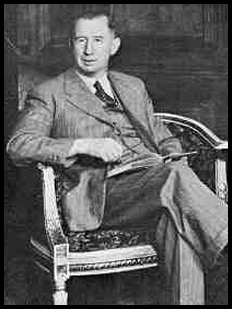
Nevil Shute - Story Teller

Nevil Shute - 17 Jan 1899/ 12 Jan 1960
This past weekend I finished Nevil Shute's So Disdained, one of the first books he had published; that being in 1928. It reminded me once again what a great story - teller Shute was. When I first started this Blog back in Sept 2010 (hmmm, I guess I've been at this for awhile) one of the first series of posts that I wrote dealt with the subject of my All-Time favourite stories. I updated this list in December 2013 (click on this link to see my first list and updated list.)

Number 2 All-Time favourite
The reason I mention the list is that Shute's 1957 novel, On the Beach, was my Number 2 book for both lists. This was his 3rd last book and is probably his most famous, also being made into a movie (1959), starring Gregory Peck, Ava Gardner and Fred Astaire. I've read this book 3 or 4 times at least and seen the movie at least as many times and they never cease to amaze me and to strike a chord in my soul. The book was written during the nuclear missile crisis of the '50s, a time when the world held its breath to see if the superpowers would launch the nuclear arsenals, and dared to portray the devastating results of such a disaster, the basic premise being that we readers were seeing the world end. Even in such a dire, depressing scenario, Shute was able to find and portray human decency, courageousness in this situation and to make common, sensible people deal with this crisis in an honourable manner. That was Shute's speciality in my mind, his ability to write about ordinary decent people and to show how they dealt with dangerous, often horrendous situations, not with histrionics and guns blazing but still managing to perform heroic acts, without considering them heroic.

This was what I had to say after the last time I read the book, Jan 2011, "2. On the Beach by Nevil Shute (published in 1957). I have read this book 3 or 4 times and never tire of it. It is probably the best 'end-of-the-world' stories I've ever read and that is a genre that I enjoy very much. It's such a classic and as I mentioned with my other Nevil Shute story, he is one of the best story - tellers ever. No matter what the situation, he presents people gently, demonstrating them to be loving, heroic and thoughtful. He writes such wonderful stories and having most recently read another of his stories, The Far Country, which was one of my Top Tens for 2013, I look forward to reading even more. This is my Goodread's reviews of the book, pretty basic for such an excellent book, "One of my top ten favourite books. I've read it so many times and also seen the movie with Gregory Peck a few times. So low key, yet it's the end of the world. US submarine in Australia, trying to see if there is any life in the Northern hemisphere. Life in Australia as the end draws near. US submarine makes final voyage to US. Truly fantastic story.  (added after most recent read) Having read this again, it's still a great story, what a powerful lesson to teach mankind. So depressing, ultimately, but told with class."

Number 10 on my All-Time List
In my 2013, I added Pied Piper to my All-Time favourites. Pied Piper was written in 1942, during what is referred to as Shute's 'War' category of books, according to Wikipedia. This is another of those books I refer to when I talk about ordinary people, in this case, a retired English gentleman, Mr Howard, who at loose ends, decides to take a journey to Switzerland to enjoy a fishing expedition, as he had in the past. Unfortunately for Mr. Howard, his journey takes place just at the start of WWII and as he heads back to England, he finds himself taking a number of children with him, handed to him along the way as their families try to get them out of France before the invading Nazis arrive. Mr Howard is an unassuming gentlemen, in the truest sense of the word, and he assumes the responsibility without questioning it and, while he wouldn't think so, performs acts of heroism to try and get these children to safety. Once again, this is a book I've read many times and the actions of Mr Howard still amaze me and I find myself wondering again and again what I would have done in such a situation. Would I have accepted this responsibility so easily and willingly knowing what risks it might entail to my well-being? What Nevil Shute has done again in this story is present these normal, well-balance individuals, not superheroes in the current sense of the word, but just normal people who have no issue with risking their lives and without blasting their way through enormous odds, still manage great acts of heroism.

These two books remain all-time favourites. Recently, because of my enjoyment of rereading these stories, I've finally begun to explore Shute's other writings. I honestly don't know why I didn't do this before, maybe they were so good that I was afraid that I might discover that his other stories didn't live up to them. Well, guess what! I was wrong if that was my thinking.

Another Classic
I have seen this book many times but always thought it would be basically a romance story. Well, in fact, there is a love story entwined in the pages but it's so much more than that. Once again, it's a story of heroism. The Far Country was published in 1952 and falls into Shute's Post-War grouping of stories. Set just after WWII, when England was still trying to recover from the effects of the devastating bombing that it had endured during the war, the story focuses on Helen, who lives in England, trying to survive and also to help her aunt survive the conditions that England finds it self enduring. A bone is tossed her way, an opportunity to visit her aunt in Australia. So begins a great adventure, in which she finds herself visiting, trying to survive in this strange land and also finding love. The story, like all of Shute's works (or at least those I've read so far), is told gently and lovingly. Events do happen, events that can be considered momentous, both to Helen and to her acquaintances, but they are dealt with calmly, with honour and with perseverance. Like Pied Piper and On the Beach, the story struck a chord with me, these are people I wish I knew and people I wish I could emulate.
This was the review I wrote for The Far Country - "In its way, it's a relatively simple story, but I love Shute's style. He tells a story gently, lovingly and at the same time, matter-of-factly (Is that a proper word? :0)). At its core it's a love story, but it represents its time as well. Set after WWII, England is struggling to feed its people, life is hard; whereas in counterpoint, in Australia, the frontier so to speak, life is pretty good, wool prices are high, money is good, there is work available. Helen goes to Australia at the request of her auntie, who thinks Australia might represent England more from her time in the early 1900s. Helen visits with an Aunt and her family, meets Carl, a Czech doctor, who works in the forest as a lumberman (as a Displaced Person from the war) he must work where the Australians let him for 2 years as a sort of payment for being allowed to live in Australia. He can then work towards getting his Doctor's certificate. The two meet under very interesting circumstances, a friendship/ relationship develops. This is the simple story, but there is so much more. Shute doesn't get involved in the politics of the time, other than in the background as it affects peoples' lives, but he does present an excellent picture of the time, contrasting life in England and Australia very nicely and very simply. It's a lovely story, not one I would have picked earlier in my life I don't think, but the more I read Nevil Shute's stories (two of my all-time favourites are his, On the Beach and Pied Piper) the more I enjoy his writing and the more of his books I want to read. Highly recommended."

I have read other Shute books since, including An Old Captivity (1940) probably my least favourite so far and So Disdained (1928), which I mentioned in my initial comments. These were my thoughts on So Disdained, "This is one of Nevil Shute's earlier works, written in 1928, and even with his early writings, you can see his unique story - telling style. The story is set during this time frame, between the wars and there were many interesting bits of history (assuming he was using a true perspective) that I really wasn't all the knowledgeable about. For one is the tension between England and Soviet Russia; the story involves Russian spying on English military facilities. As well, at one point, the main character, Peter Moran, must enlist the assistance of Italians to help a friend from the Communists and he asks for the help of the Fascists; interesting that they might be considered an ally, considering the events of WWII. The story is typical Nevil Shute, telling the story of a man, relatively mild and even-keeled, who is put in a situation that forces him to make decisions that become heroic, even though he doesn't feel them to be heroic. I love the way Shute lays out his stories, introduces his characters, introduces concepts of patriotism or heroism without preaching but at the same time making you think about what they are and what they mean. He is a story - teller, one of the best and it was enjoyable to read one of his early ones and see how his style developed as he came to write my favourites of his later works." Once again, we find normal people thrust into situations that require decisions, heroic ones, that they make easily and without question. I think that's what I like most, the people don't let any personal issues stop them from making decisions that will help people in need, in fact, their personal issues are not really highlighted or made much of. They are normal, decent, relatively happy people, which is a change from so many mystery and adventure stories that are so popular these days; the anti-hero with a past, who blasts his way through tough situations. I'm not saying that I don't enjoy reading those stories just as well, but they don't strike a chord with me as much as the stories I mentioned above.

Donna Leon's - Inspector Brunetti
To wind this up, I think that one of the reasons I enjoy series such as Donna Leon's Inspector Brunetti, or Martin Walker's Bruno, Chief of Police, and more recently, Louise Penny's Inspector Gamache, is that like those characters who people Nevil Shute's excellent stories, these series are also about people, in this case, police detectives, who are decent people, who have loving families or friends. They find themselves trying to solve sometimes disturbing crimes, but what is more important in the stories, is the inspectors themselves, their friends and family, their community, even the food and music they love. The stories are more personal and you find yourself wanting to visit with these people, who are heroic, but quietly so. You want to meet their families, have dinner with them, enjoy the sites that make their homes so important to them, so important that they want to protect these communities.

Anyway, I've begun to ramble somewhat, but my point is that Nevil Shute and the others mentioned should be explored; they are true story-tellers and, if you try them, you'll enjoy being pulled into their communities.

Sunday, 10 May 2015

Comox Valley Biannual Rotary Club Booksale - Purchases

This past week was the biannual book sale hosted by the local Rotary Club. It ran from 6 - 9 May and I'm sure, as always, was well-attended. I went on the first day, right after work, and found 20 books, at an excellent cost of $5 for each group of 3 books. I went back Saturday morning for the last day. On the last day, you can get a bag of books for $7 and I managed to find another 14 books. I've updated all my various book lists now and found places for all the new books. I even vetted my existing books and will be bringing a few to my local used book store as trade ins. So all in all a very successful visit. If you're interested, I'll go through all the books I managed to find, a nice mix, even with my leaning towards mysteries these days. I won't write down the synopsis for each book as I usually do because it'll be a fairly big list, but I hope you find some that might peak your interest. So here we go, starting with mysteries. (I did tend to stick to series I've already started, but there are books by a couple of new authors I've been looking out for)

MYSTERIES

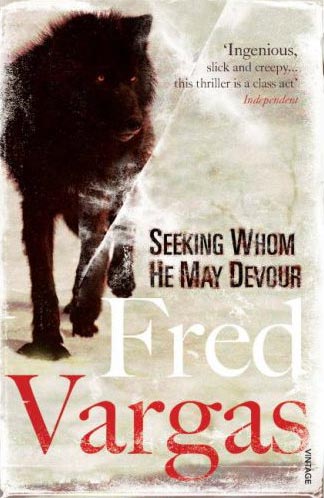
1. Fred Vargas - Seeking Whom He May Devour (Commissaire Adamsberg #2)

2. Tom Robb Smith - The Secret Speech (Leo Demidov #2)
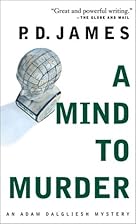
3. P.D. James - A Mind to Murder (Adam Dalgleish #2)
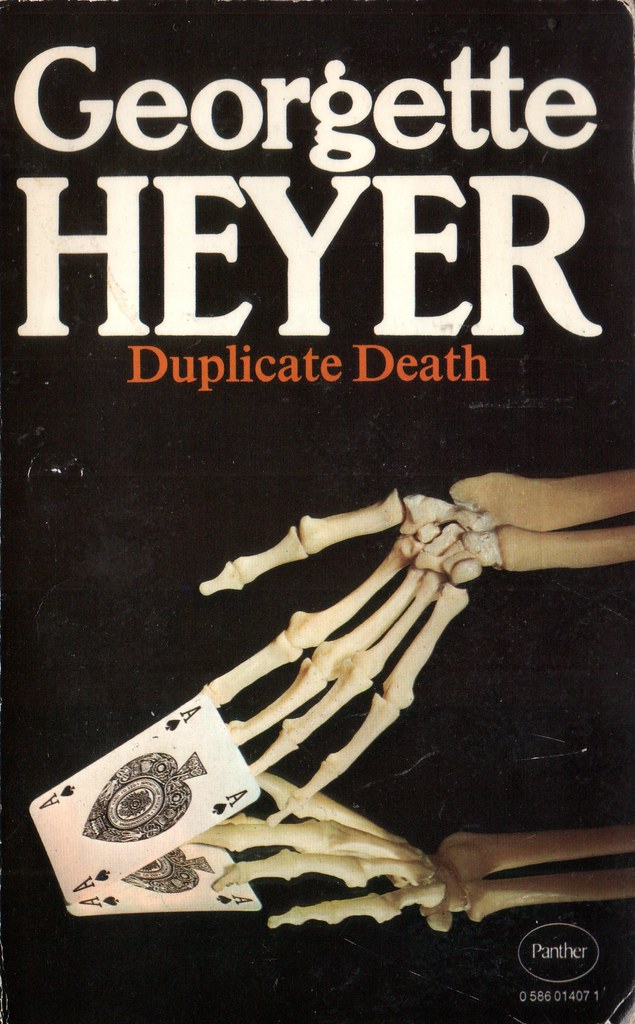
4. Georgette Heyer - Duplicate Death (Inspector Hemingway #3)
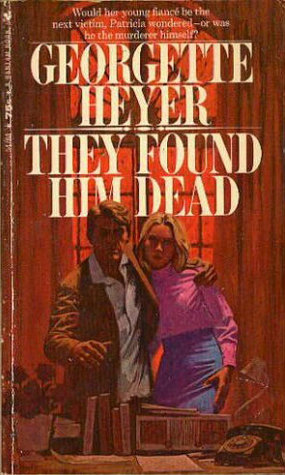
5. Georgette Heyer - They Found Him Dead (Inspector Hannasyde #3)
6. J.T. Ellison - When Shadows Fall (Samantha Owens #3)
7. John Burdette - Bangkok Tattoo (Sonchai Jitplecheep #2)
8 - 10. M.C. Beaton - The Fairies of Fryfam (#10), The Perfect Paragon (#16), The Deadly Dance (#15) (all from the Agatha Raisin mystery series)
11. David Baldacci - King and Maxwell (#6 of the King and Maxwell series)
12. Dorothy L. Sayers - Five Red Herrings (Lord Peter Wimsey)
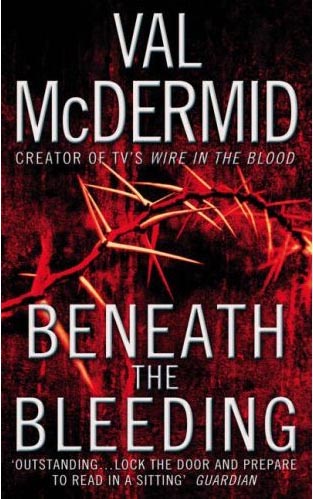
13. Val McDermid - Beneath the Bleeding (Tony Hill #5)
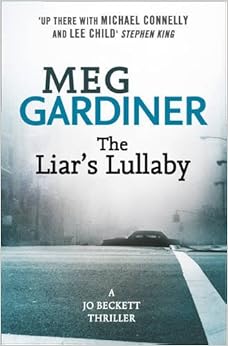
14. Meg Gardiner - The Liar's Lullaby (Jo Beckett #3)

WAR / SPY
1. Alan Furst - Kingdom of Shadows (Night Soldiers #6)
2. David Downing - Silesian Station (John Russell #2)
3. John le Carré - A Murder of Quality (George Smiley) (1962)

MODERN FICTION
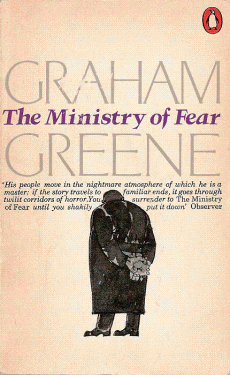
1. Graham Greene - Doctor Fischer of Geneva or the Bomb Party (1980), Ministry of Fear (1943) and Travels with my Aunt (1969)
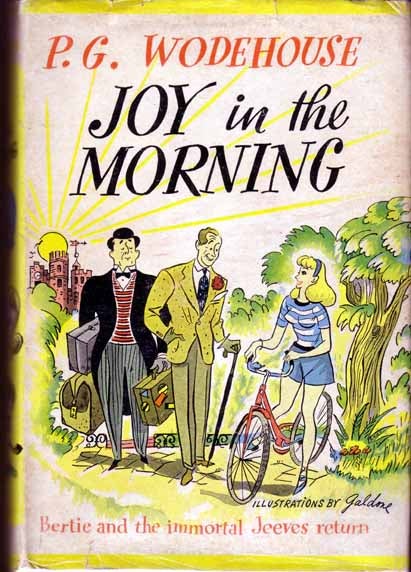
2. P.G. Wodehouse - Joy in the Morning (Jeeves and Wooster) (1949)
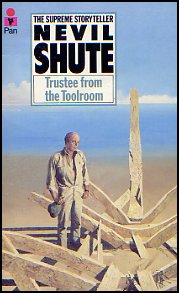
3. Nevil Shute - Trustee from the Toolroom (1960)
4. Evelyn Waugh - Scoop (1938)
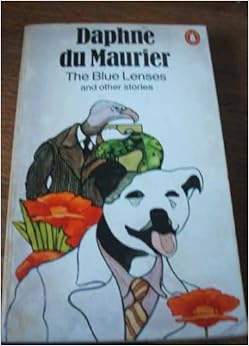
5. Daphne du Maurier - The Blue Lenses and other Stories (1959)
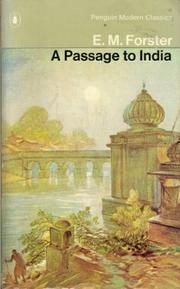
6. E.M. Forster - A Passage to India (1924)

SPORT
1. W.P. Kinsella - The Iowa Baseball Confederacy (1986)

ADVENTURE
1. George MacDonald Fraser (4 Flashman adventures) - Flashman at the Charge (#4, 1973),  Flashman for Freedom (#3, 1971), Flashman's Lady (#6, 1977), and Flashman & the Great Game (#5, 1975)

SCI/FI
1. J.G. Ballard - Running Wild (1988)
2. William Gibson - Virtual Light (Bridge #1, 1993)

CLASSICS

1. George Eliot - Silas Marner (1861)

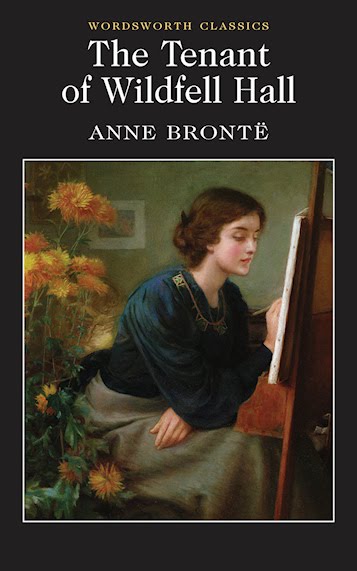
2. Anne Bronte - The Tenant of Wildfell Hall (1848)

So there you go. See anything that interests you?

Saturday, 18 April 2015

Reminiscences of a Military Brat - Part 8 - On To Lahr, Germany

Sites from Lahr, Germany
In 1969, with 3 Wing Zweibrucken closing down, we were moved down the Autobahn, into the Black Forest to Lahr, Germany, RCAF Station 1 Wing. It was quite a different base from 3 Wing. 3 Wing was a fighter base, home to the 104 aircraft. Our only remaining fighter base was in Baden - Baden. Lahr may have had fighters too, but it was primarily the Air transport hub to Europe for the Canadian Armed Forces. PMQ's were scattered throughout the town of Lahr, they had been taken over from the French Army by the Canadians in the early '60s. The Air base proper was at one end of the town while the Headquarters and most of the recreation facilities and schools were at the other end of town in the Caserne. In the photo above, taken from my Grade 10 yearbook, you can see Area 31, one of the PMQ areas. In fact, we originally lived on the Economy in the village of Sulz, in a two bedroom flat next to a beer distributor. We had great neighbours, the Popp family and even after we moved into PMQ's (into Area 31 in fact), they remained great friends of my parents. In the photo of Area 31, you can see three buildings running parallel to the main street, Schwarzwald Strasse (Black Forest Street). We lived in the middle one, on either the 2nd or 3rd floor, end apartment. You can see my bedroom window. Lucky you. We had an apartment that had been made from two individual apartments, so from the front door you had the kitchen on the left, one bathroom on the right. You entered straight into the living room, turned right into the dining room and then into the bedroom area (which had actually been the other apartment). So unfortunately for my parents, John and I had to go through their bedroom to get into the other part of the house.

Photos of the Caserne, including bottom right the school
The PMQs were scattered throughout the town, as I mentioned earlier. They started at the Bahnhof (Area 30, I think) with some apartment buildings. (In the first photo, it's the top right photo). As you went up Schwarzwald Sstrasse towards the Caserne, you next hit our area (31). Continuing on you came to the Grocery store for the Canadians with another section of PMQs, some apartments like ours. Just a bit further were somewhat fancier buildings that were used by the Officers and then you pretty well in the downtown core. One of my best friends in Grade 9, Grant Gerlitz, lived in this area and I spent many an evening visiting with him. He had a basement room that he turned into his bedroom and the gang of us spent many evenings, listening to music and fooling around with his electric train and other stuff.

In the first photo, middle left, you see the big building with the KK, that was the big German department store, Kaufhaus Kreuz. I found many of my first 45's (records, not guns) there. That area was the main German shopping street. If you turned left, you followed the road that lead you to the Caserne. That's where I went to high school. Second photo, bottom left picture is the High school, I'm pretty sure. Other pictures include the Arrowhead Arena (where my dad worked as a Ring Rat) and I think the curling club. Also at the Caserne was the big Canex department store, a book store (loved it) and just by the main gate, the Teen Town, where we could hang out. Friday nights there was always a dance (the excellent sound system explaining my poor hearing nowadays).

So that's a general picture. A few other items of interest. There were two Canadian cinemas, one nearby to the grocery store and one at the Main airbase. My dad was manager of them and quite often, the whole family would help out working at the concessions at the cinema on the base. Mom made the popcorn and I sold candy and drinks. John was a bit young so would have been classified as child labour, so he sort of hung around the concessions with us. Sometimes my friend Peter Emberley (from Grade 10) would help out. It was lots of fun and, as I recall, the popcorn that we made was so popular that people used to come and get it even though they weren't going to the movies. John and I got to go and watch the movies once we finished serving the initial crowd. There were some relatively racy films for kids our age... we didn't complain. Quite often on Sundays, if we didn't go out on the town and have dinner at a local Gasthaus (we learned pretty quickly not to go out if we were already hungry and we also learned just to get John an empty plate. The meals were slow and lovingly cooked and there was so much food we only needed 3 meals), we would have dinner on the Base at the Junior Ranks dining club. The food was great and it was a nice formal setting.

Grade 9B class photo (me in the centre)

In Lahr, I finished Grades 9 and 10, probably my favourite two years up to then. School was interesting, I was involved with so many activities and I had so much freedom to do what I wanted. As you can see, we wore school uniforms at that time, the boys, blue blazers and grey slacks and the girls, blue vests and grey skirts. I have to say, I really started to notice girls then.. :0).. unfortunately they didn't notice me that much.

Our hotel (pension) on the Lido
In Grade 9 English, we took The Merchant of Venice and each of the Grade 9 classes had to act out certain scenes. I think I played Bassanio. Anyway, the class that did the best job, according to a couple of judges, got the opportunity to go to Venice for a week's trip. What a great trip! It got off to a rough start. As soon as we boarded the train in Lahr, we were told there was a train strike in Italy so we would have to bus from the Swiss/ Italian border to Venice. That, in itself, was an adventure and after an evening water taxi ride across form Venice to the Lido, we staggered into our hotel late in the night.

Me on Attila the Hun's throne
We got to see so much, sample excellent Italian cuisine (there was a restaurant down the street from our hotel and we ate there every night. The waiter taught us the proper way to eat spaghetti and we got to drink vino with our meals. It was cheaper than coca cola.) The train trip back was much simpler.

My nickname in Grade 9... *sigh*, yes Baby Dumpling
Checking back through my old yearbooks has brought back a memory that I'd forgotten. I can't remember why, but it seems my nickname was Baby Dumpling in Grade 9... probably something to do with my actual name, eh? It must mean they liked me, right?

800 Black Forest Squadron, the first Cadet Sqn overseas
During Grade 9, some of the military people on the base formed the first Royal Canadian Air Cadet Squadron (800 Black Forest Sqn) in Germany. I joined up and had a great time. We used to meet once a week in the evenings at the Caserne, so I would either ride my bike up or walk there in my uniform. We wore the old RCAF battle dress, which I thought was so cool. In the evening classes, we of course spent most of the time doing drill, even fancy drill movements, then would watch war movies, play games, learn about the military. On weekends there were often activities on the base; we got to do the High Altitude Indoctrination course (meaning we were in the high altitude tank that fighter pilots use), learned Morse code (Dot Dot Dash), fired weapons at the range, etc. The first summer about 20 of us got to take the service flight back to Canada and spend a couple of weeks at the Summer camp they had every summer in Trenton Ontario. (You can see a picture of the tent city we lived in just above.) We arrived a week early for our camp (the exigencies of relying on a once a week flight) and spent that time travelling around Ontario by bus visiting the Ontario Science Centre, Royal Military College and other places. That first week was kind of lonely and I remember feeling very depressed for awhile. But my Aunt Loreine and Uncle Norman came down to spend on day with me and that helped get me over the hump. Yes, yes, I was a sensitive fella. After the two weeks of the actual summer camp, I got to stay behind and spend a couple of weeks visiting with relatives. I'm pretty sure my Uncle Bob and Aunt Tove Charbonneau were stationed in Trenton by then and they put me on the train to Ottawa, where I stayed a night with my dad's brother, Rene and his family. Rick came down from North Bay, where he was stationed at that time and took me up there, where I stayed in Barracks. (I stayed in one of his buddy's rooms, who had an interesting wall hanging outlining all the positions of the Kama Sudra... not that I noticed) We went up to visit our relatives in Kirkland Lake and Timmins and then I was handed back to Aunt Loreine and Uncle Norman who took me to Toronto. I'm pretty sure I got to go to the CNE for the first time with them. Overall it was a great time. For some reason, I'm sure that my Dad came over and we travelled back to Lahr together on the service flight. It was one of the first times that the Boeing 707 was used and when we landed in Lahr, it was such a bouncy landing that the oxygen masks all fell down from the ceiling. I stayed in Air Cadets for our two years in Germany, got promoted to LAC (Leading Air Craftsman) in my second year. I think that my enjoyment in polishing boots began then. I used to do my Dad's for him as well.

Grade 10.. which girls did I have crushes on.. :0)
In Grade 10, we had another great trip, a ski week in the Austrian Alps, located in the town of Bichlbach. I had never skied before and I remember every night as I fell to sleep I dreamed I was breaking my leg.. skiing down a hill, knee deep in snow, my legs going farther and farther apart until Boom... That actually did happen, except for the broken leg part.

High School Curling Fun
I got back in to curling again while we lived in Lahr. There was a great High School league and I enjoyed it so very much. I loved nothing better than trying for double and triple take outs. It was a great activity and very well attended.

As I mentioned earlier, my Dad was also a rink rat, meaning he worked at the Arrowhead Arena, maintaining the ice. The Lahr Arrows was the base hockey team and they played against German, Swiss and Dutch teams as well as against the other Canadian Air Force and Army teams.

The Canadian Figure Skating Team
While we were in Lahr, and I can't remember which year it was exactly, the Canadian National Figure Skating team spent a week in Lahr, training for I think the World Championships in Prague (I'm not sure of that) and spent a week practising at the Arrowhead. We used to go down at lunch time and watch them practising their figures. Not all that exciting but I had a bit of a crush on Sandra Bezik who was there with her brother Val as our Pairs team. Also on the team and in the photo were Karen Magnussen and Toller Cranston. I'm afraid I can't remember the others names. Maybe someone else does.

I've kind of rambled on here but it was a great time. After Grade 9, the Canadian government closed down the army bases in Northern Germany and moved them all down to Lahr and Baden Soelingen. It made a bit of a change for all of us Air Force folks. All the buildings were painted brown (or green, I'm colour blind) and place names changed, the Teen Town became the Teen Hut, that sort of thing and there were now tanks and armoured vehicles all over the place.

I was fairly unworldly at the time but while we were in Germany, the October Crisis (AKA the FLQ Crisis) happened back in Canada and as I understand, the government was ready to send troops back from Germany to support those in Canada when they declared the War Measures Act. We were also on the forefront of the Cold War and there were many, many nights when the Military Police would drive through PMQ's with loud speakers on, announcing Snowball, Snowball, meaning the fathers had to report to work immediately, just in case. When we lived on the Economy, they travelled door - to - door waking up those families that lived out in the countryside, as we didn't have phones there. Well, some people might have but we never did, as far as I remember.


The Hideaway Show Group
In Lahr, we did get more access to information from back in Canada. Lahr had its own radio station and it featured a mix of broadcasts from Canada (via the CBC) or local shows. A favourite for we high school kids was the Hideaway show which was hosted by some of the school seniors and they played great music. I remember the whole family used to gather around Dad's stereo (he brought a nice Grundig system) to listen to The Royal Canadian Air Farce on Monday nights. We also had a TV for the first time (I don't think we had one back in 3 Wing) and we got one German TV channel. They did show the odd Canadian or American show, of course, overdubbed into German. On Saturday nights they also had movies, quite risqué for a youngster.

Well, I think I've finished my ramblings over the past 3 'Reminiscences' of our time in Germany. It was such a great opportunity for a teenager from Canada to experience a bit of the outside world. I don't know if I grew up at all, but I do think it made it easier when I joined the military to adjust relatively quickly to new locations, new situations, new friends. The one bad thing about this moving around, for me anyway, was the constant making new friends, losing friends and then starting over again. For some people, it's not an issue, but I did find that I began making acquaintances, rather than close friends. Having said that, I treasure all of these memories and wouldn't trade them in for anything. They did help make me the person I am today, for good or bad.

We moved back to Canada after I completed Grade 10, this time to Ottawa Ontario. More on that next entry.

Friday, 17 April 2015

April 2015 Book Reading/ Purchasing Update

Well here we are, half way through April and spring has sprung in our neck of the woods. The dogs can now spend their afternoons in the back yard, lying in the sun and we don't have to worry about having to dry them off every time they come back in the house. Of course, it also means we've got to get the yard back in order after the winters winds and rain, but hey, small price to pay to look out at all that lovely plant growth.

Relaxing on a Friday morning, I've taken Friday and Monday off so can revel in a nice long weekend. I hope to finish off a couple of books in between watching Blue Jays baseball and doing yard work and helping the missus enjoy her birthday.

So let's start off with my current reads. I have to admit they are all a bit of a slow go, two because I'm just starting them and they are new authors so I have to get used to they story-telling and method of presenting their ideas, the other because it's a classic and, even though so very well-written, I do find them a bit slower to read as I like to absorb what they have to say about the time - frame and their characters. So here we go -

Currently Reading

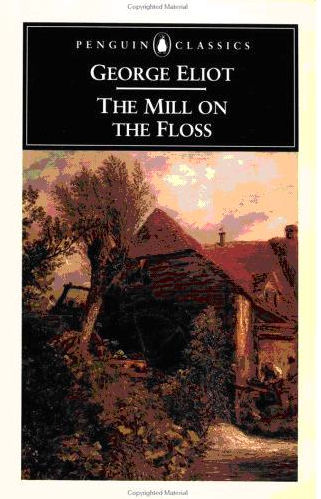
1. The Mill on the Floss by George Eliot (1860). I'm trying to read at least 4 classics this year and I know they'll take me a little longer than my average book, but I have enjoyed delving into these stories the past few years. I've previously read Daniel Deronda by George Eliot and enjoyed so very much. I like the intelligence of her writing. So far, and I'm about one - third through this story, I'm also enjoying this story. The synopsis - "The Mill on the Floss, based on George Eliot's own experiences of provincial life, is a masterpiece of ambiguity in which moral choice is subjected to the hypocrisy of the Victorian age. As the headstrong Maggie Tulliver grows into womanhood, the deep love which she has for her brother Tom turns into conflict, because she cannot reconcile his bourgeois standards with her own lively intelligence. Maggie is unable to adapt to her community or break free from it, and the result, on more than one level, is tragedy."

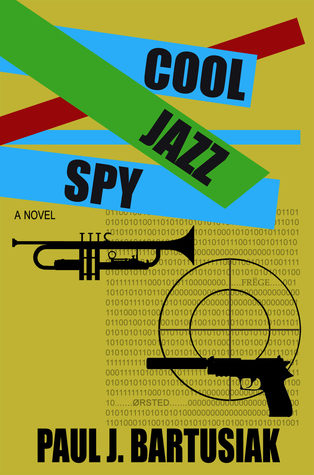
2. Cool Jazz Spy by Paul J. Bartusiak (2015). This is a first for me. The author is a member of one of my Goodreads groups and asked if I minded reviewing the book. So, I said yes and here we are. I've just started and will readily admit I've struggled a bit at first with the technical, computer jargon, but we'll see how it goes. I've just barely got into the story and the premise does sound interesting. "Friday morning at Dallas/ Fort Worth International Airport, Terminal A is bustling as business travellers await their flights, anxious to return home for the weekend. All of a sudden, information on arrival and departure monitors becomes distorted; pixels seem to melt away from the screen. Airline computer systems crash. Even the building's lights and HVAC system shut down. Crowds form around flight desks, but no one knows what is happening. When extra security suddenly moves in, confusion turns to fear. Just as panic reaches its peak, the malfunctions mysteriously stop. Airport infrastructure performs an automatic reboot, and operations eventually return to normal. The US Intelligence Community is later summoned to a top secret meeting of the utmost importance: DFW Airport was hit with a highly sophisticated cyber attack. The perpetrators remain a mystery, the motive unclear. Even more alarming, evidence suggests something bigger is coming. Cyber experts, cryptologists, and data scientists feverishly combine their skills to try and prevent the ultimate cyber attack - one on the scale of a cyber nuclear bomb!"

3. Death at Bishop's Keep by Robin Paige (1994) - This is another new author for me, or rather authors as Robin Paige are a husband/ wife writing team. I found this book series while exploring one of my favourite book stores in Victoria, The Chronicles of Crime, but it's been on my bookshelf for a little while now. One of my reading challenges this year was to first book in a number of series that I had not yet had a chance to try. Death at Bishop's Keep is the 11th new series. It's classified as a Victorian mystery. "Kathryn Ardleigh is everything the Victorian English gentlewoman is not - outspoken, free-thinking, American... and a writer of the frowned upon 'penny-dreadfuls.' When Kate arrives in Essex, England, she shocks the household at Bishop's Keep - and captures the interest of amateur detective Sir Charles Sheridan as they begin their first case together. A dead body has been uncovered at a nearby archaeological dig. The investigation provides the perfect research for Kate's fiction. But the curious writer may be digging too deep - especially when the trail leads her into a secret occult society known as the Order of the Golden Dawn..."

So there you go, my current reading. I'm basically on track with my planned total for the year and if I can finish off one at least this weekend, I'll right on schedule. Now onto my latest purchases. I dropped off a few books at my local, Nearly New Books, but came out, as usual, with a few new selections to keep my library full of books. Much to Jo's joy.. ;0)

New Purchases

1. The Common Lawyer by Mark Gimenez (2009). Another new author for me, recommended in my Mystery book group. The stories did sound interesting, in the John Grisham line. "Andy Prescott is the most laid-back young lawyer in Austin, Texas. Specialising in traffic law, he operates from a small room above a tattoo parlour. Ambition has never been Andy's strong point - he prefers to take it easy. That is, until one of Texas's wealthiest men walks into his office. On the spot, billionaire Russell Reeves retains Andy as his lawyer and pays him more money than he has ever earned before. Andy's life is transformed. But nothing comes for free. Russell is a desperate man whose sole aim is to save the life of his eight-year-old son, Zach. He is prepared to do anything - even if it means putting Andy's life in danger.."

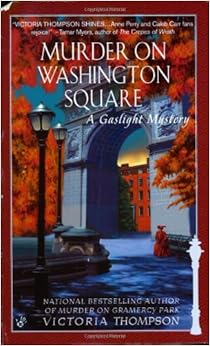
2. Murder in Washington Square by Victoria Thompson (2002). This is the fourth book in the Gaslight mystery series, featuring mid-wife (cum detective) Sarah Brandt and Police detective Frank Malloy. I've enjoyed the first books in the series, each one a bit better than the past one, so I'm looking forward to starting this one. "To Sarah Brandt, the mere thought of mild-mannered banker Nelson Ellsworth murdering his mistress seemed absurd. But to the police, it made perfect sense. Especially since the woman was allegedly carrying his child. But Sarah met the young woman the day before the incident. And something in her eyes made it quite clear that she was neither as poor nor as innocent as she would have people believe. Now it will take the seasoned skill of Detective Frank Malloy to help clear Mr. Ellsworth's good name. And to determine if Sarah's suspicions are correct - that the victim may have been the victimizer.."

3. Before I Go to Sleep by S.J. Watson (2011). A new book for me that I'm not sure I've heard of before, but is an international best seller and has also been made into a movie (2014) starring Nicole Kidman and Clive Owen. Interesting synopsis "Memories define us. So what if you lost yours every time you went to sleep? Your name, your identity, your past, even the people you love - all forgotten overnight. And the one person you trust may be telling you only half the story. Welcome to Christine's life."

4. Maisie Dobbs by Jacqueline Winspear (2003). A historical mystery series, a new one for me that was recommended in one of my book groups and sounded very interesting. "The daughter of a struggling greengrocer, Maisie Dobbs was only thirteen, when she was sent to work as a maid for wealthy London aristocrats. But being bright and thoughtful beyond her years, Maisie studies her way to Cambridge, then serves as a nurse on the Front during the Great War. Now, it's the spring of 1929, nearly ten years after the Armistice and Maisie has just opened her own detective agency. Her first assignment, a seemingly open-and-shut infidelity case, will reveal a much deeper, darker mystery, forcing Maisie to revisit the horrors of the war and the ghost she left behind."

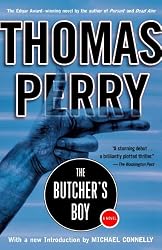
5. The Butcher's Boy by Thomas Perry (1982). A thriller series that I believe my older brother reads and recommended. Time to give it a try. "How good is a hit man who blows his big hit? As good as dead. How good is the woman assigned to catch him before his killers can? As good as her next move. How good is The Butcher's Boy? As good as they come."

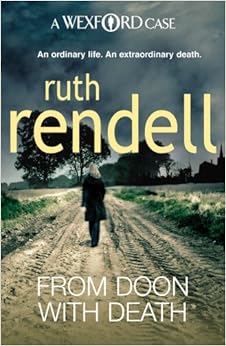
6. From Doon with Death by Ruth Rendell (1964). I've been slowly searching for the Inspector Wexford series books and finally have found the first in the series. Time to get started reading it. "No one believed Mr. Parsons' fears for his missing wife. Until two days later she was discovered in the woods, her face swollen and her clothes damply clinging to her lifeless body. With no useful witnesses and a victim known only for her mundane life, Chief Inspector Wexford has just one clue: a lipstick found at the scene. To find the killer, Wexford must first discover a motive. Because what he can't understand is how such an unassuming woman became the victim of such a passionate and violent crime."

There you go, another successful shopping trip. Now the dogs are getting restless, awaiting their noon walk and lunch.. See you later!!
Related Posts with Thumbnails